
Expert Tips for Relocating and Investing in Cambodia
- Florence Pellissier
- Oct 13, 2025
- 5 min read

Relocating to a new country is an exciting adventure. For many, Cambodia is a top choice. With its rich culture, beautiful landscapes, and growing economy, it offers a unique opportunity for both living and investing. However, moving to a new place comes with its challenges. This guide will provide you with expert tips to make your transition smoother and help you navigate the investment landscape in Cambodia.
Understanding Cambodia's Culture
Before you move, it is essential to understand the local culture. Cambodia has a rich history influenced by Buddhism and its colonial past. The people are known for their warmth and hospitality. Learning a few basic phrases in Khmer can go a long way in building relationships.
Greetings: A simple "sous-dey" (hello) can make a positive impression.
Respect: Always show respect to elders and local customs.
Understanding cultural norms will help you integrate more easily into your new community.
Choosing the Right Location
Cambodia has several cities and regions, each with its unique charm. Here are some popular options:
Phnom Penh: The capital city is bustling with life. It offers modern amenities, a vibrant nightlife, and numerous job opportunities.
Siem Reap: Known for the Angkor Wat temples, this city attracts many tourists. It is a great place for those interested in the hospitality industry.
Sihanoukville: If you prefer a beach lifestyle, this coastal city is perfect. It is becoming a hotspot for real estate investment.
Consider your lifestyle preferences and job opportunities when choosing a location.
Navigating the Legal Landscape
Understanding the legal requirements for relocating and investing in Cambodia is crucial. Here are some key points to consider:
Visa Requirements: Research the type of visa you need. Many expats opt for a business visa, which allows for longer stays.
Property Ownership: Foreigners can own property in Cambodia, but there are restrictions. Typically, you can own 70% of a property in a development, while the remaining 30% must be owned by a Cambodian citizen.
Business Registration: If you plan to start a business, familiarize yourself with the registration process. It is advisable to consult with a local lawyer to ensure compliance with local laws.
Finding Accommodation
Once you have chosen a location, the next step is finding a place to live. Here are some tips:
Renting vs. Buying: Many expats start by renting. This allows you to explore different neighborhoods before making a long-term commitment.
Online Platforms: Websites like Khmer24 and Facebook groups can help you find rental listings.
Local Agents: Consider hiring a local real estate agent. They can provide valuable insights and help you navigate the market.
Building a Network
Establishing a network is vital for both personal and professional growth. Here are some ways to connect with others:
Join Expat Groups: Many cities have expat communities. Joining these groups can help you meet people and share experiences.
Attend Local Events: Participate in local festivals, markets, and workshops. This is a great way to immerse yourself in the culture and meet locals.
Networking Events: Look for business networking events. These can help you connect with potential partners and clients.
Investing in Cambodia
Cambodia's economy is growing, making it an attractive destination for investors. Here are some sectors to consider:
Real Estate: The real estate market is booming, especially in urban areas. Look for properties in developing neighborhoods for potential appreciation.
Tourism: With its rich history and natural beauty, tourism is a significant sector. Investing in hotels or tour companies can be lucrative.
Agriculture: Cambodia has a strong agricultural base. Investing in organic farming or food production can yield good returns.
Before investing, conduct thorough research and consider seeking advice from local experts.
Understanding the Cost of Living
The cost of living in Cambodia is relatively low compared to many Western countries. Here are some typical expenses:
Housing: Rent can range from $200 to $1,000 depending on the location and type of accommodation.
Food: Eating out is affordable. A meal at a local restaurant can cost as little as $2, while a meal at a mid-range restaurant may be around $10.
Transportation: Public transport is limited, but tuk-tuks and motorbike taxis are widely available. A short ride typically costs between $1 and $3.
Budgeting wisely will help you manage your finances effectively.
Healthcare Considerations
Access to healthcare is an important factor when relocating. Here are some points to keep in mind:
Quality of Care: While major cities have hospitals with international standards, rural areas may lack adequate facilities.
Health Insurance: It is advisable to obtain health insurance that covers international care. This will ensure you have access to quality treatment when needed.
Local Pharmacies: Pharmacies are common, and many medications are available without a prescription. However, it is wise to bring essential medications from home.
Embracing the Local Cuisine
Cambodian cuisine is diverse and flavorful. Here are some dishes to try:
Amok: A traditional fish curry steamed in banana leaves.
Lok Lak: Stir-fried beef served with rice and a tangy dipping sauce.
Nom Banh Chok: A popular breakfast dish made with rice noodles and a fish-based gravy.
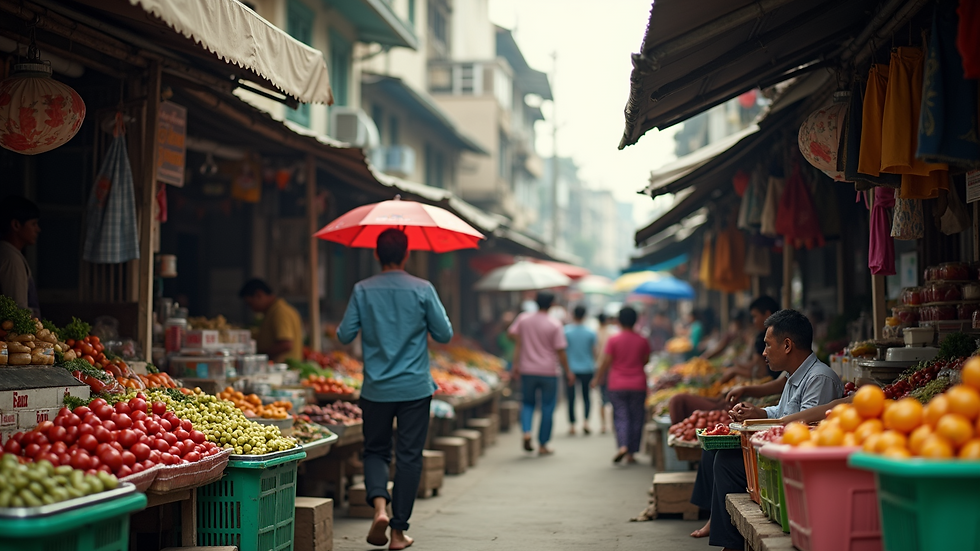
Exploring local food markets can also be a fun way to experience the culture.
Learning the Language
While many Cambodians speak English, learning Khmer can enhance your experience. Here are some tips for language learning:
Take Classes: Look for local language schools or online courses.
Practice with Locals: Engage with locals and practice speaking. Most people will appreciate your effort.
Use Language Apps: Apps like Duolingo or Memrise can help you learn at your own pace.
Staying Safe
Safety is a priority when relocating. Here are some safety tips:
Stay Informed: Keep up with local news and be aware of your surroundings.
Secure Your Belongings: Use common sense when it comes to personal safety. Avoid displaying valuables in public.
Emergency Contacts: Familiarize yourself with local emergency numbers and have a plan in case of emergencies.
Exploring Cambodia
Once you settle in, take time to explore the beauty of Cambodia. Here are some must-visit places:
Angkor Wat: This UNESCO World Heritage site is a must-see. The temples are breathtaking and steeped in history.
Phnom Penh: Visit the Royal Palace and the Killing Fields to learn about the country's history.
Koh Rong: This island offers stunning beaches and a chance to relax in nature.
Exploring the country will help you appreciate its beauty and culture.
Final Thoughts
Relocating and investing in Cambodia can be a rewarding experience. With the right preparation and mindset, you can navigate the challenges and enjoy all that this beautiful country has to offer. Embrace the culture, build connections, and explore the opportunities available. Your adventure in Cambodia awaits!


Comments